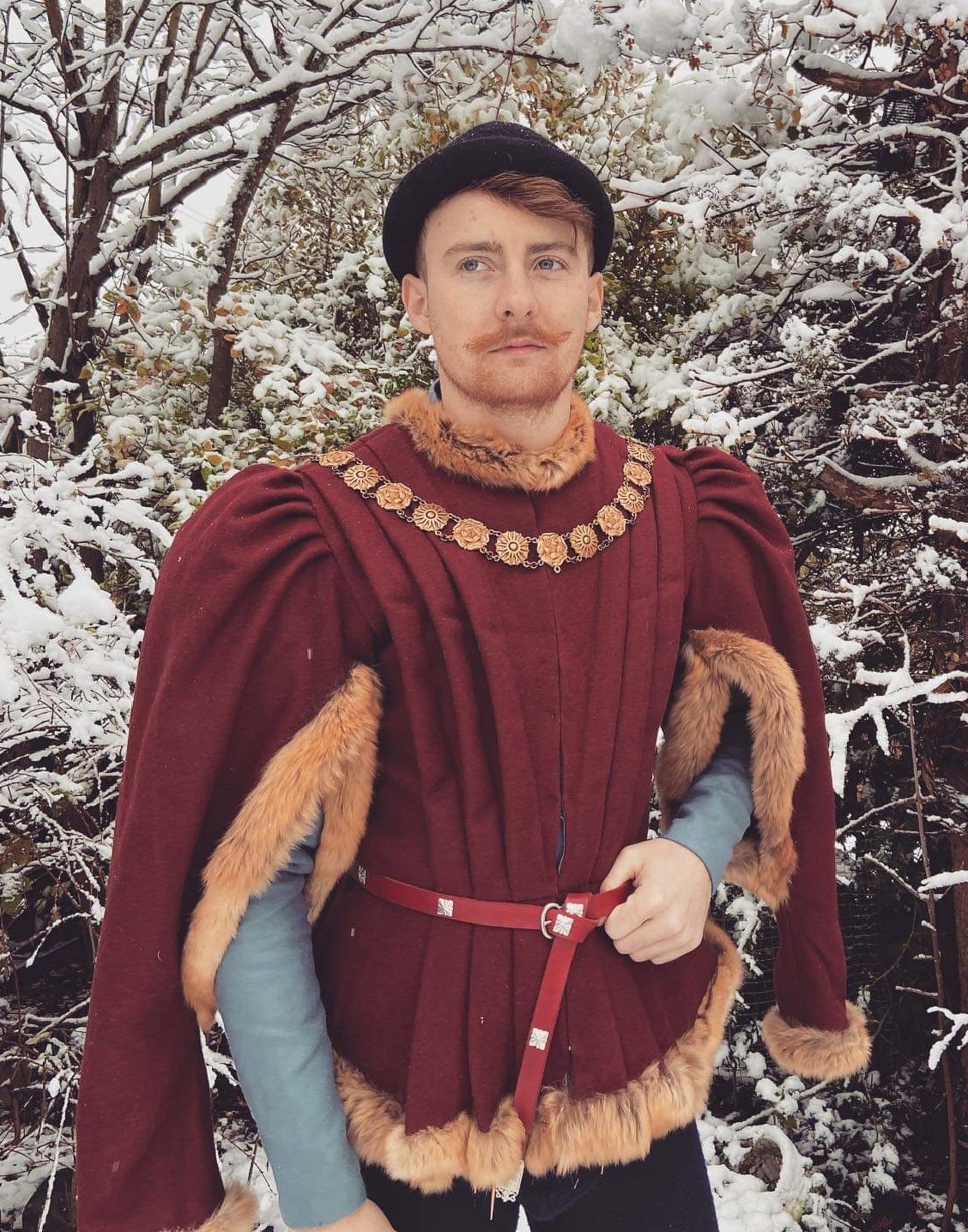
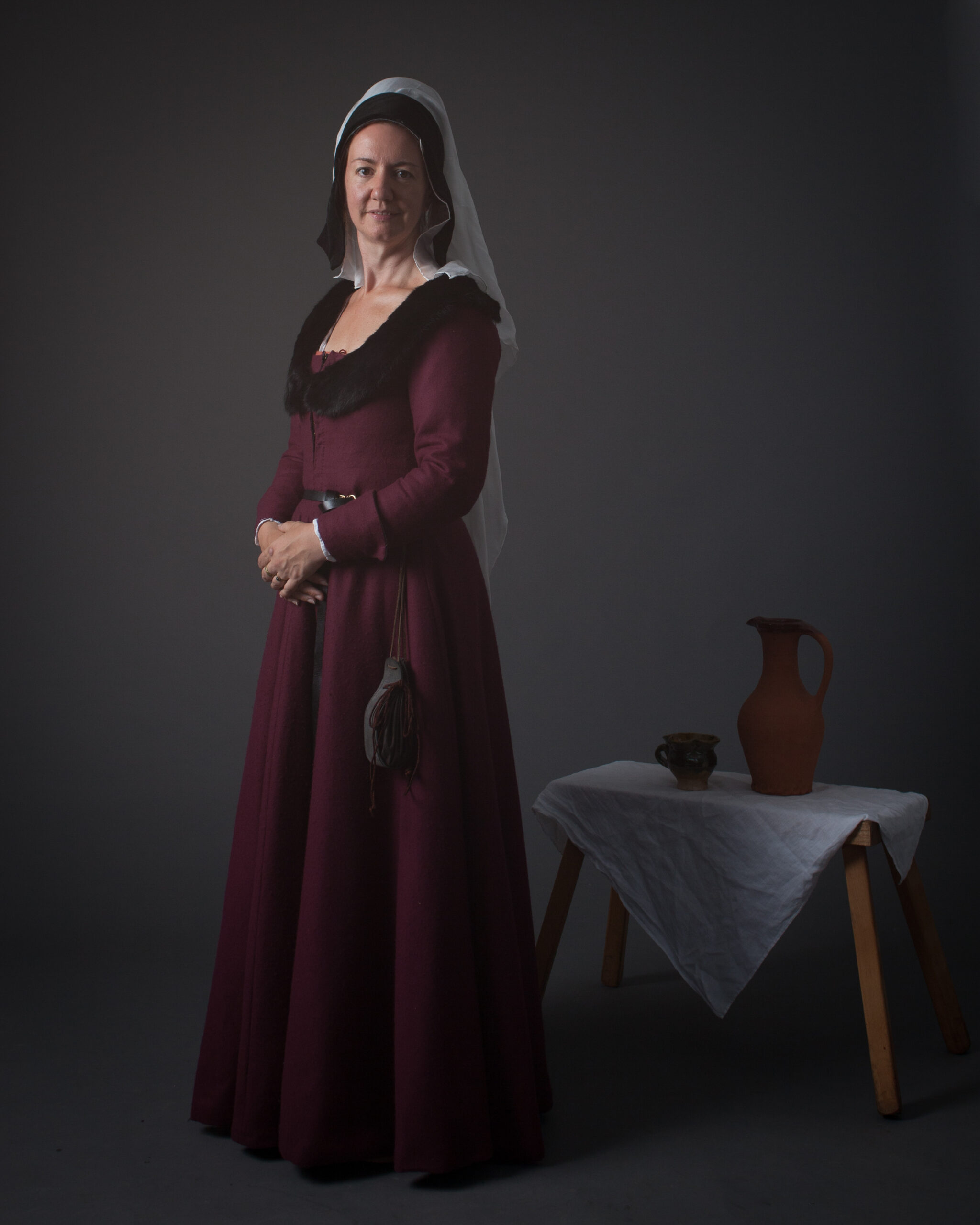
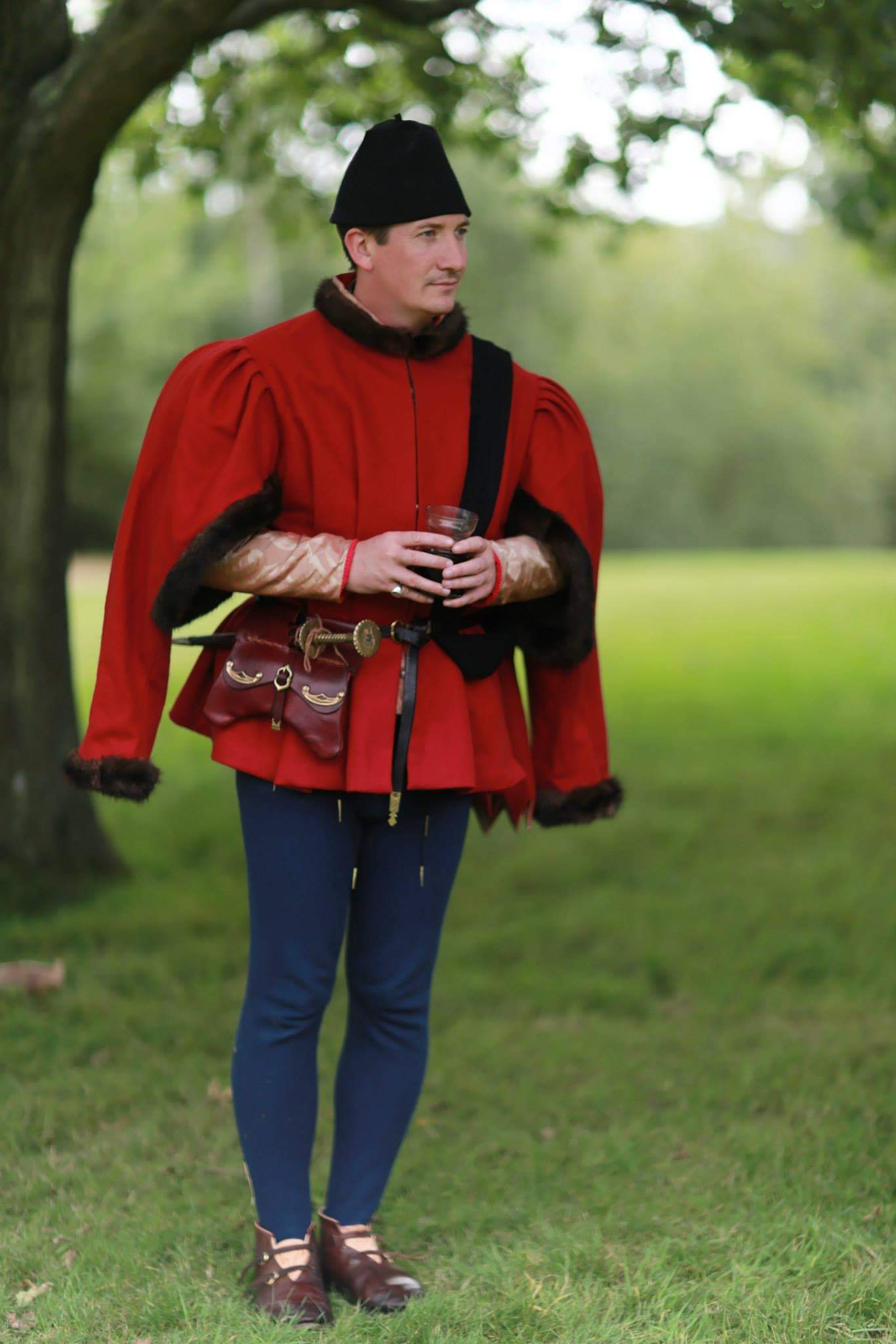
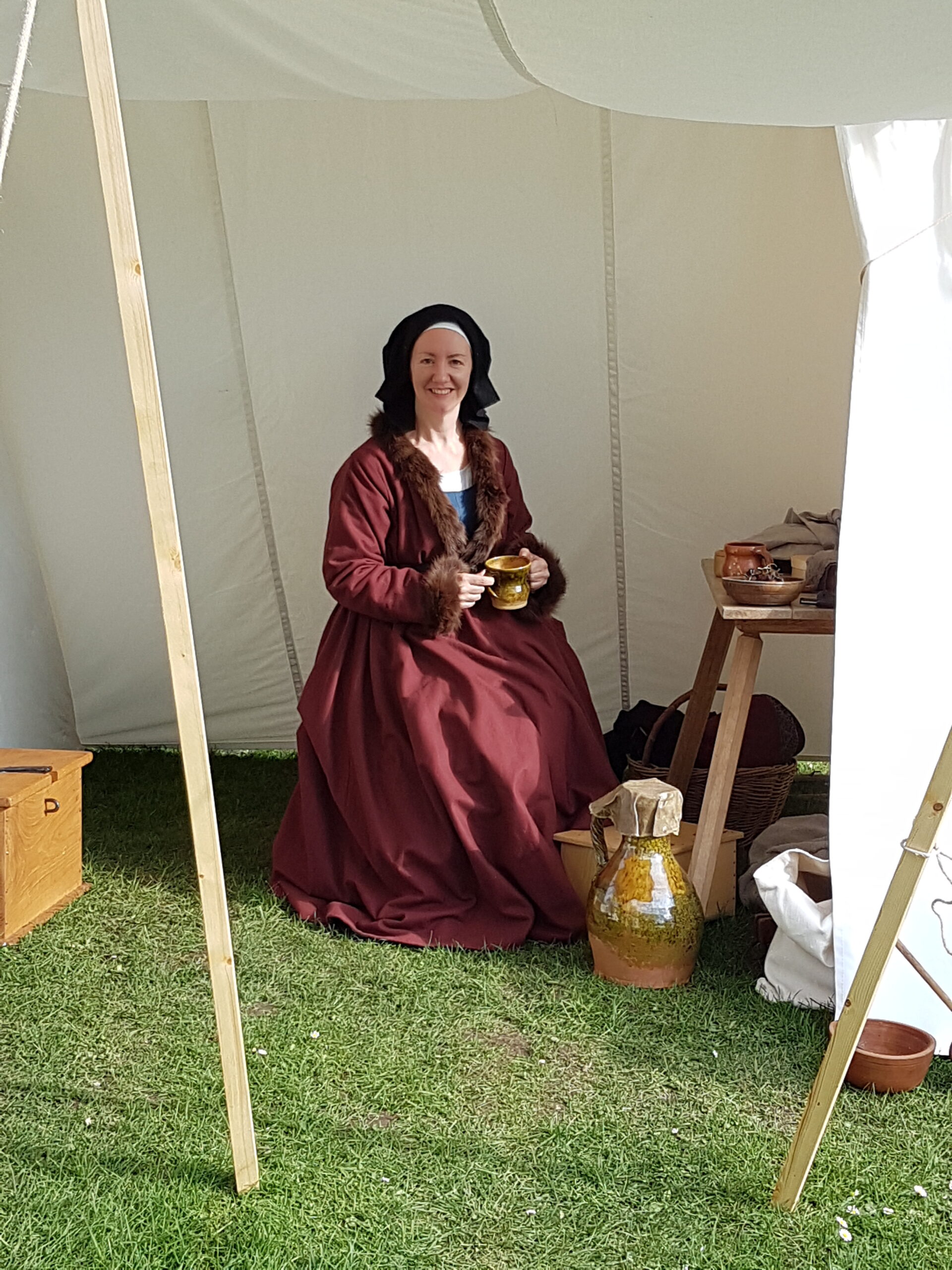
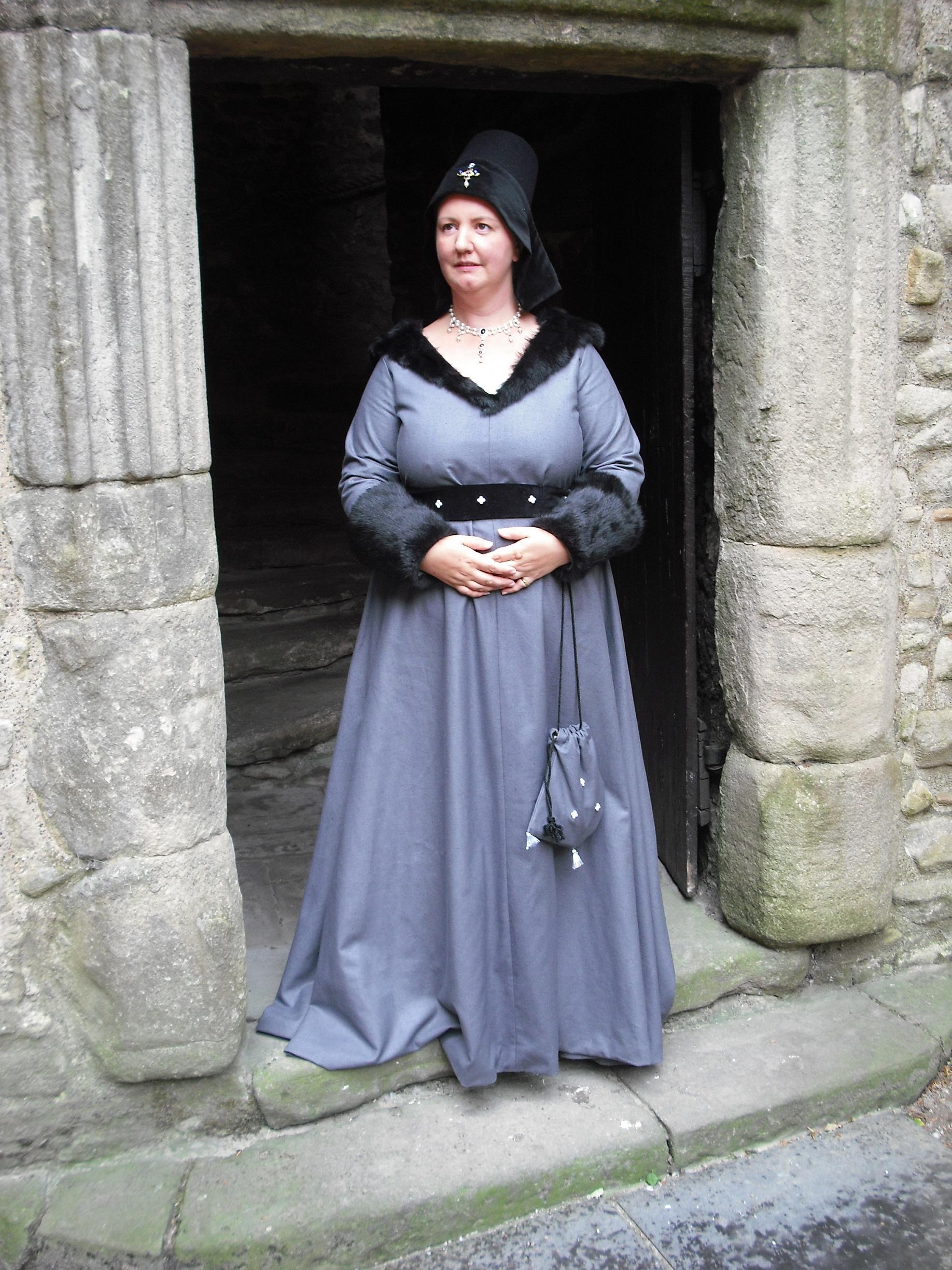
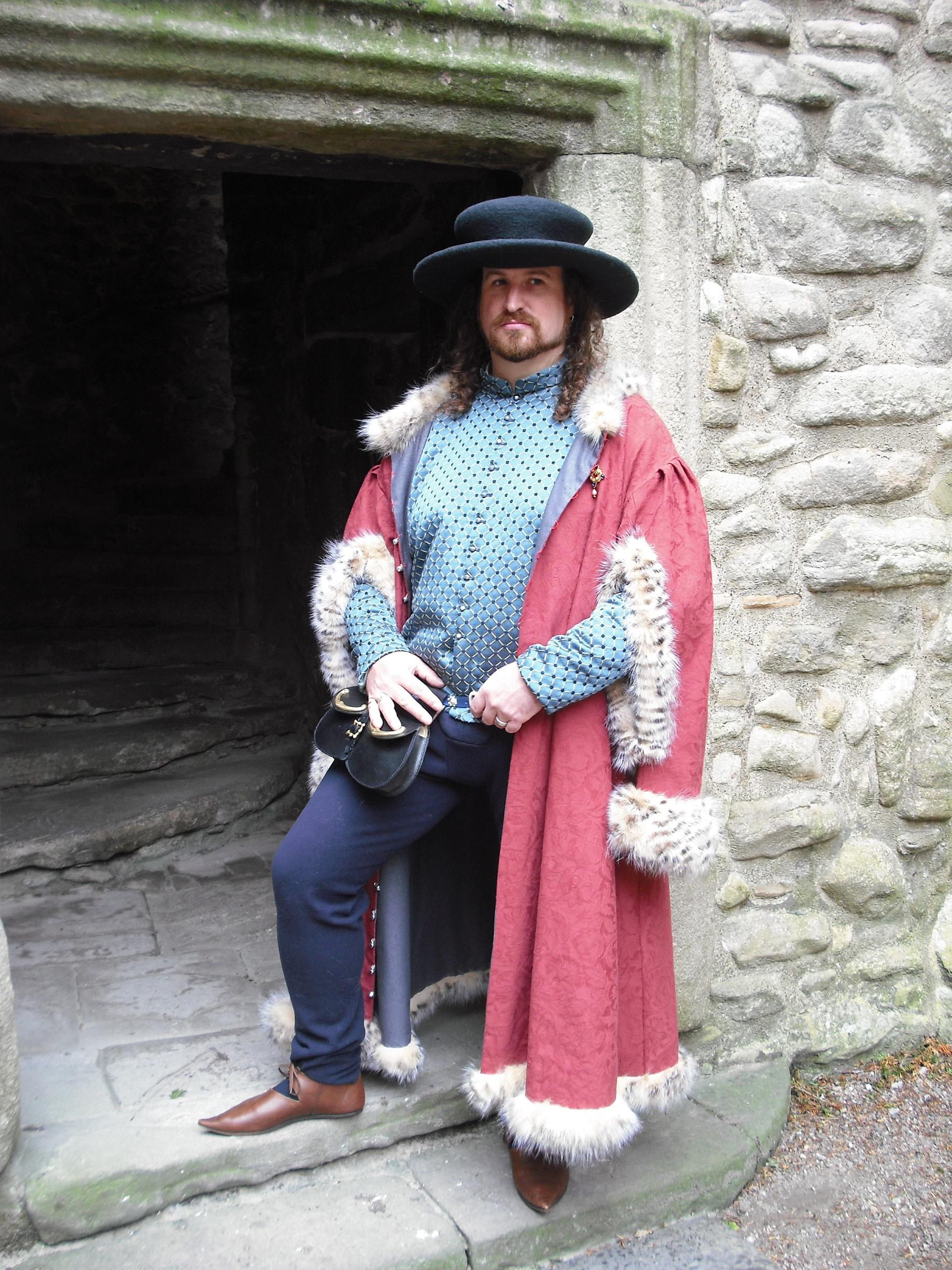
Fur has been used for warmth for millenia, but in the medieval period it was often an expensive fashion statement.
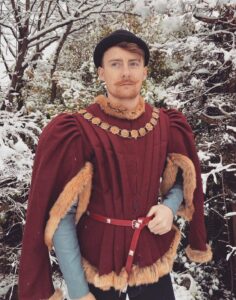 Late 15thC Short Pleated Gown |
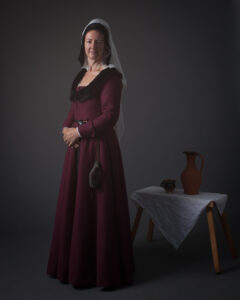 Late 15thC Middle Class Gown |
 15thC Short Fur-Trimmed Wool Gown |
 15thC Short Fur-Trimmed Wool Gown – Back view |
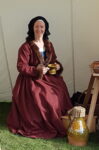 Late 15thC fur-trimmed gown |
 Late 15thC Burgundian Gown |
 Late 15thC Gown |
|
|
|
|
|
|
|
|
|
Related Searches: 14th Century, 15th Century, Menswear, Womenswear
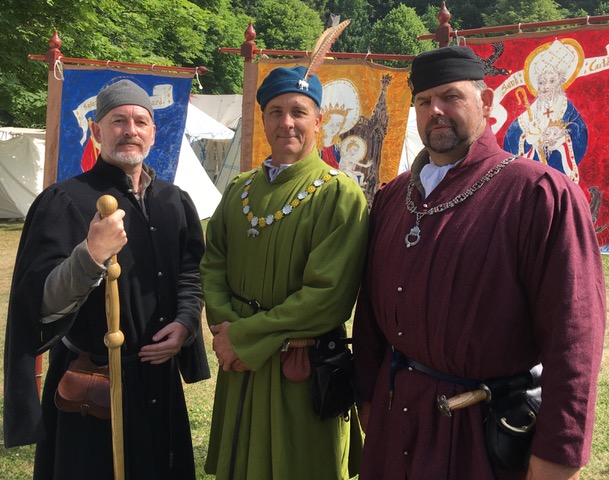
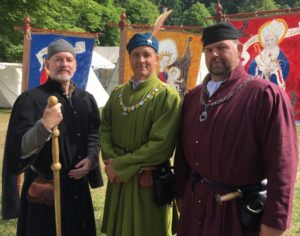 15thC men |
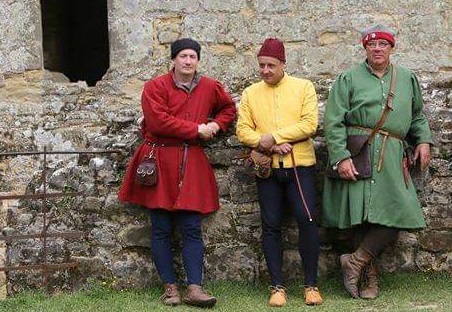
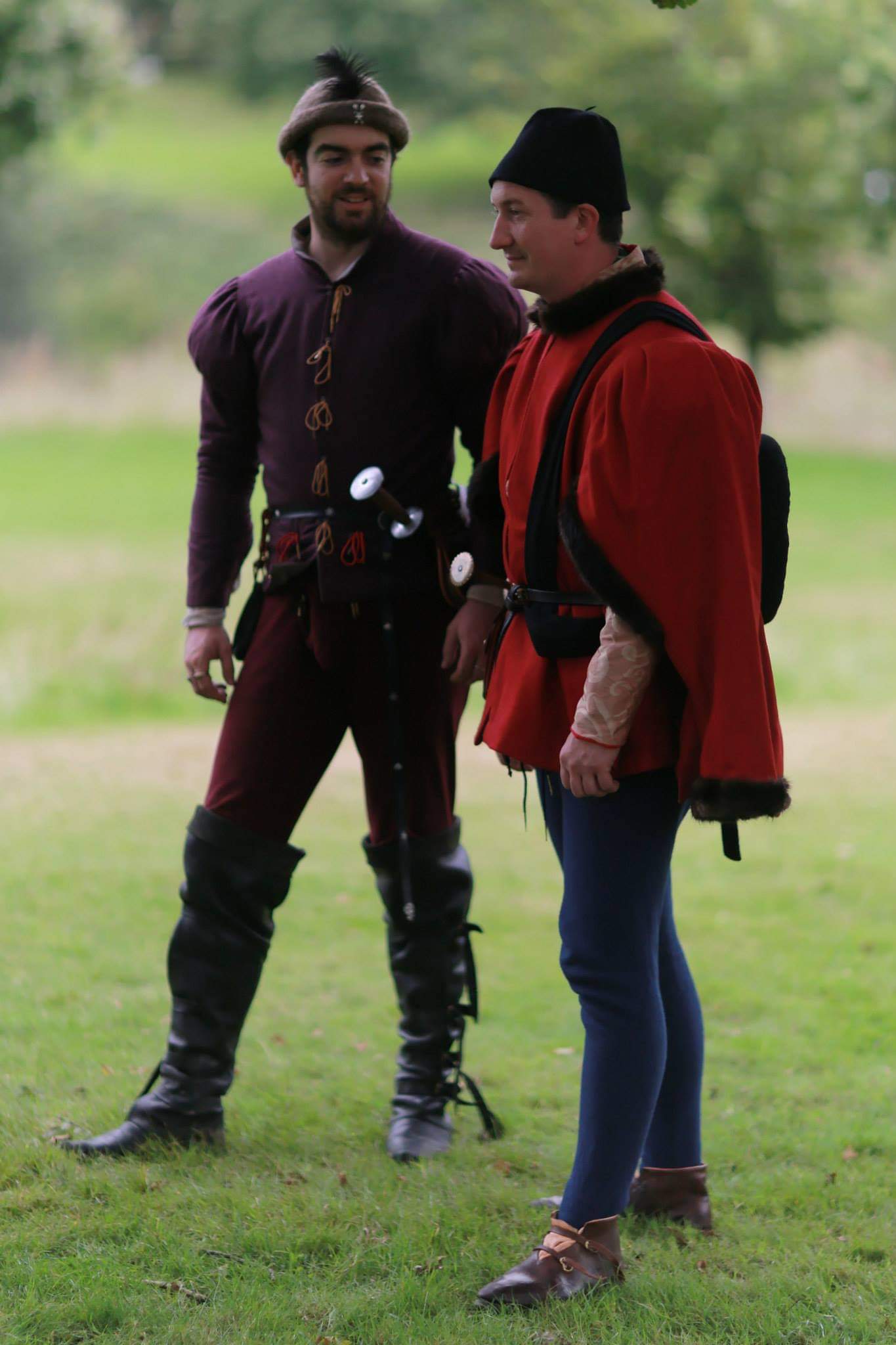
Menswear at it’s simplest consisted of underwear (shirt and braies), joined hose attached with pointed ties to a doublet, a coat or gown and hat. To be seen outside of the home (or manual working environment) without these basic layers was to be improperly dressed.
Shirt £45, Braies £35
Joined hose from £110 (footed £125)
Doublets from £155
Coats from £155
Pleated Gowns from £245
Hoods £45
Hats from £15 |
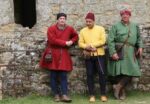 15thC Men |
 15thC Man |
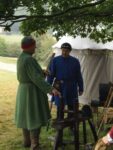 15thC Men |
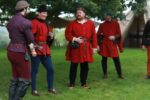 15thC Men |
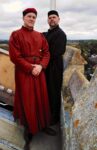 15thC Men |
 15thC Men |
Related Searches: 15th Century, Doublet, Hats, Hoods, Hose, Menswear, Tunic
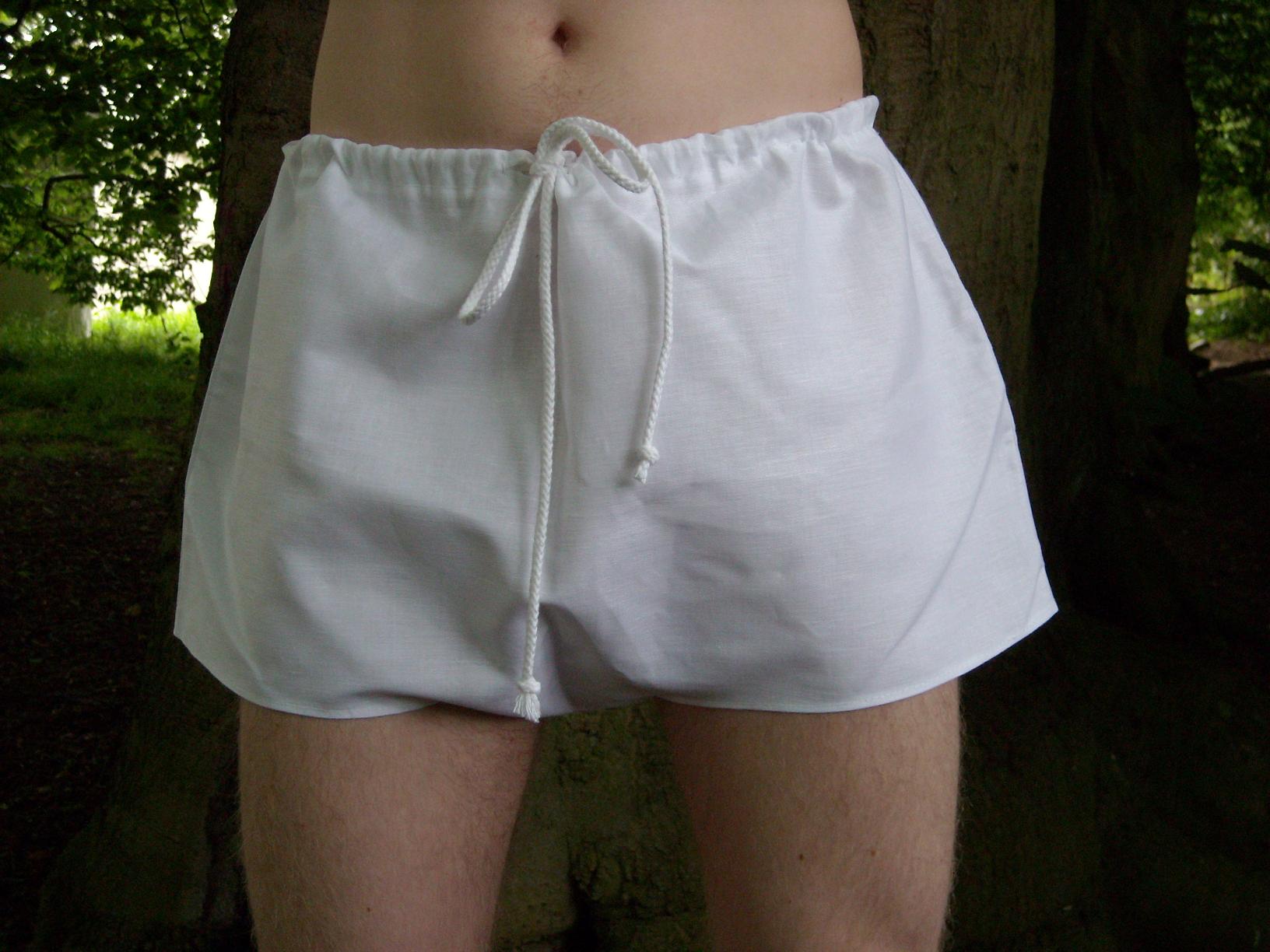
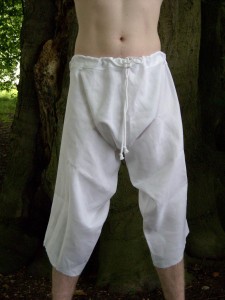 Long Leg (Pipe) Braies |
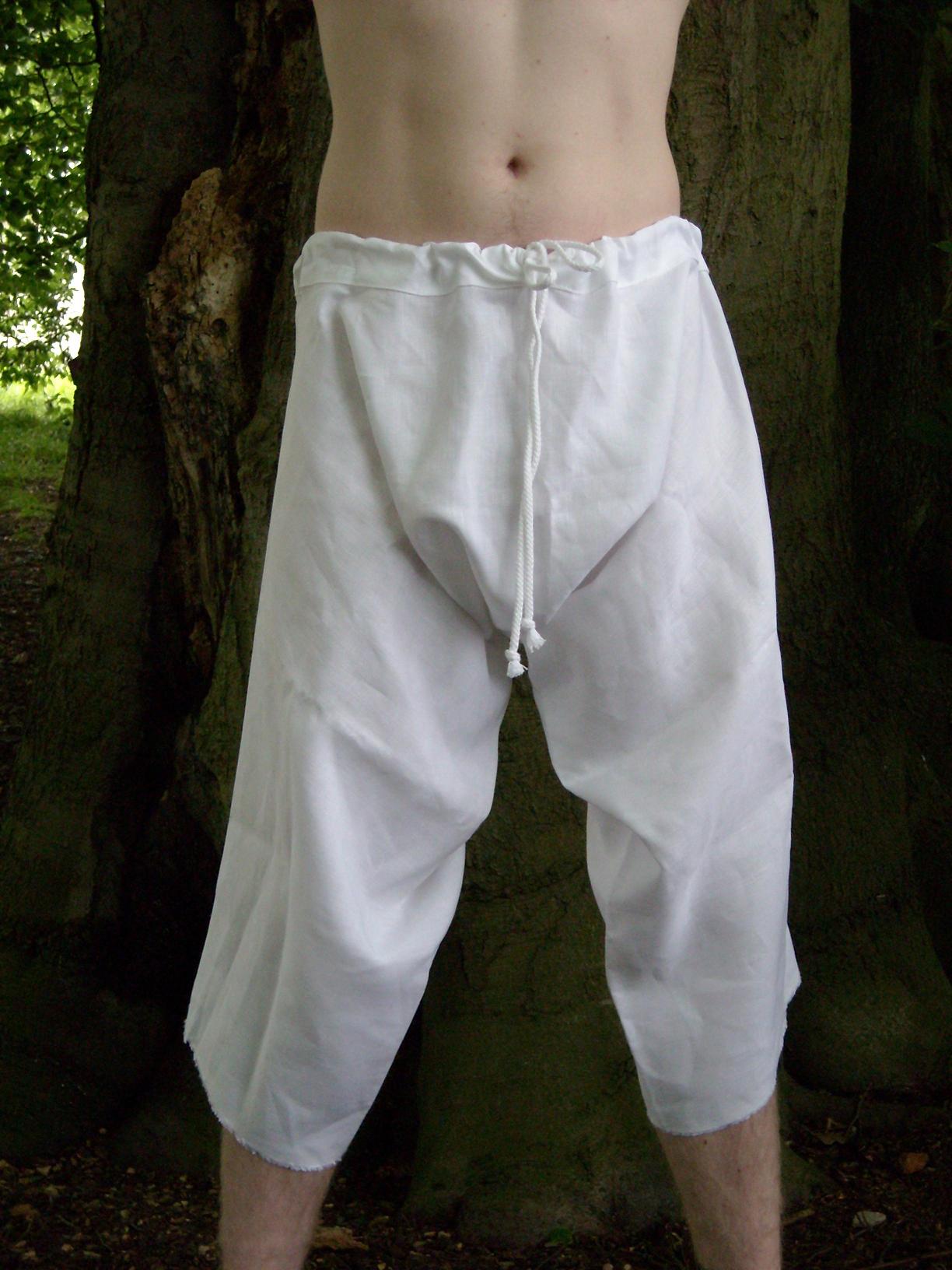
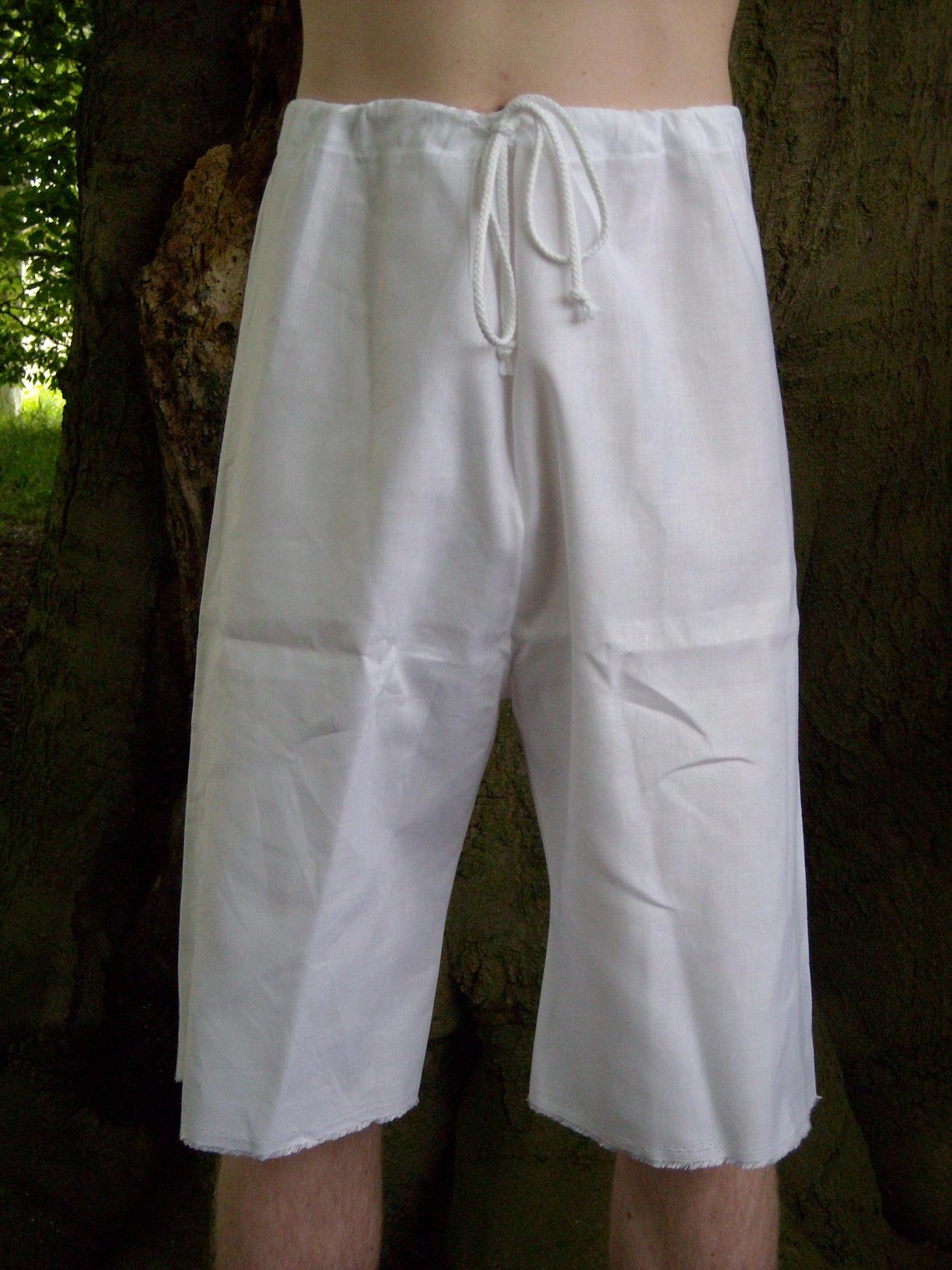
Braies (or Breeches) were the innermost layer of mens clothing. They fill in the gap between single leg hose in the 13th and 14th centuries. As hose became fuller, braies got smaller.There are no surviving examples of braies as linen rots away too quickly. All these examples are “best guesses” worked out from pictorial evidence.
Long leg braies were worn between single leg hose. “Boxer” braies are an alternative pattern for the same garment, with less fullness in the rear.
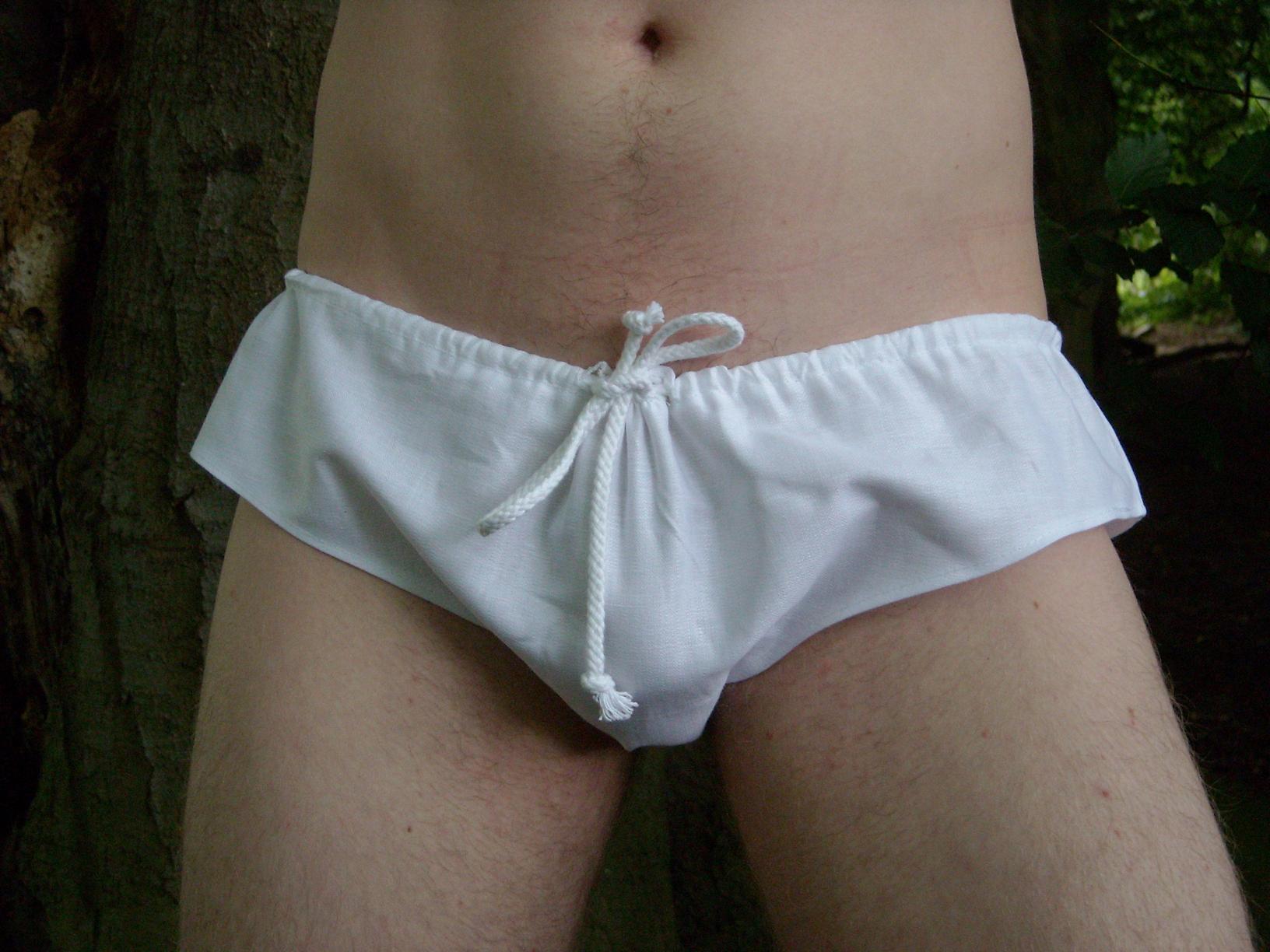
15th century braies are worn under joined hose, the Italian braies are seen in paintings from the end of the 15th century.
Braies £35 |
 “Boxer” braies |
 15th Century Braies |
|
 15th Century Italian Braies |
Related Searches: 13th Century, 14th Century, 15th Century, Menswear
|
|
|
|
|
|
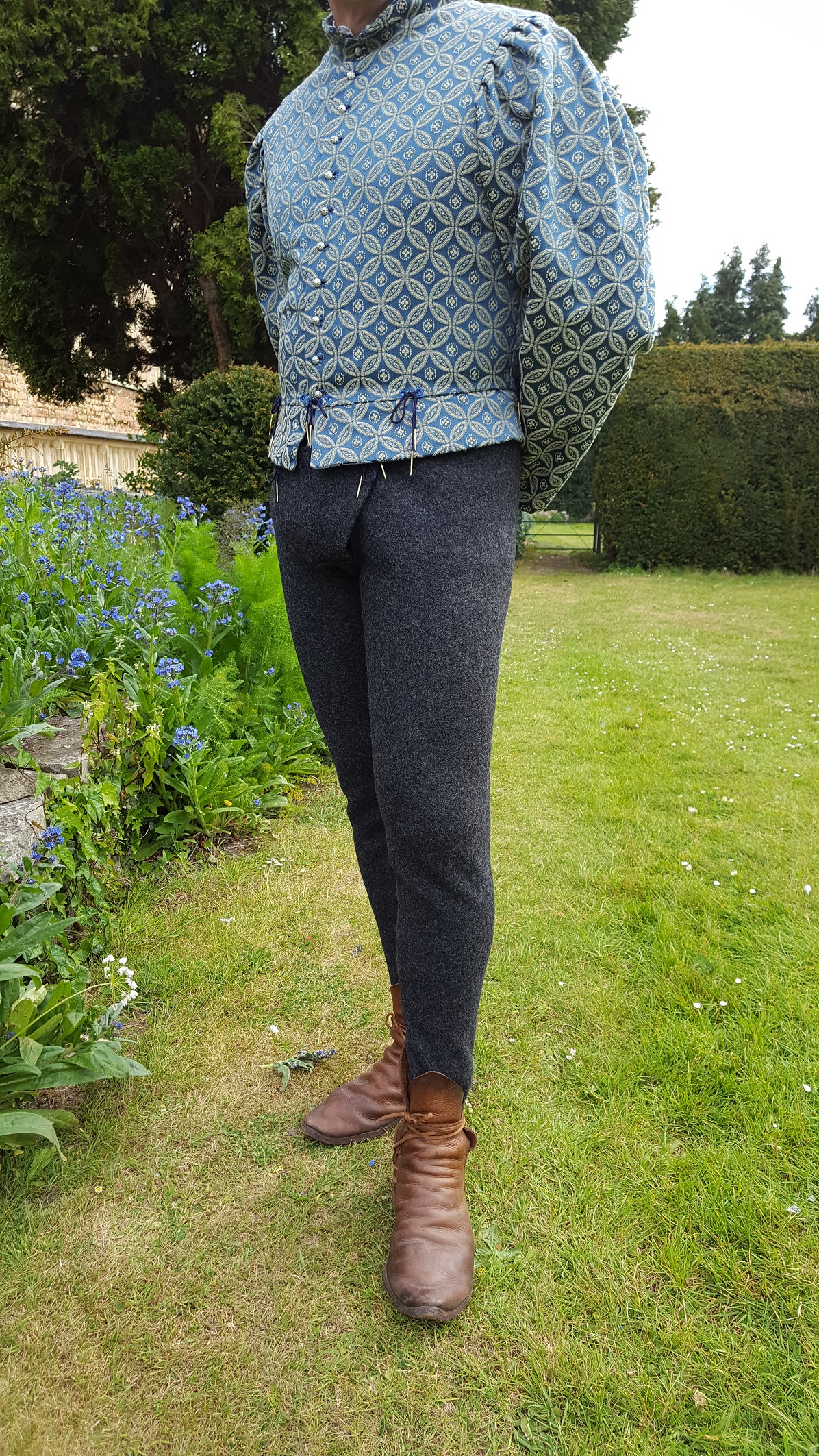
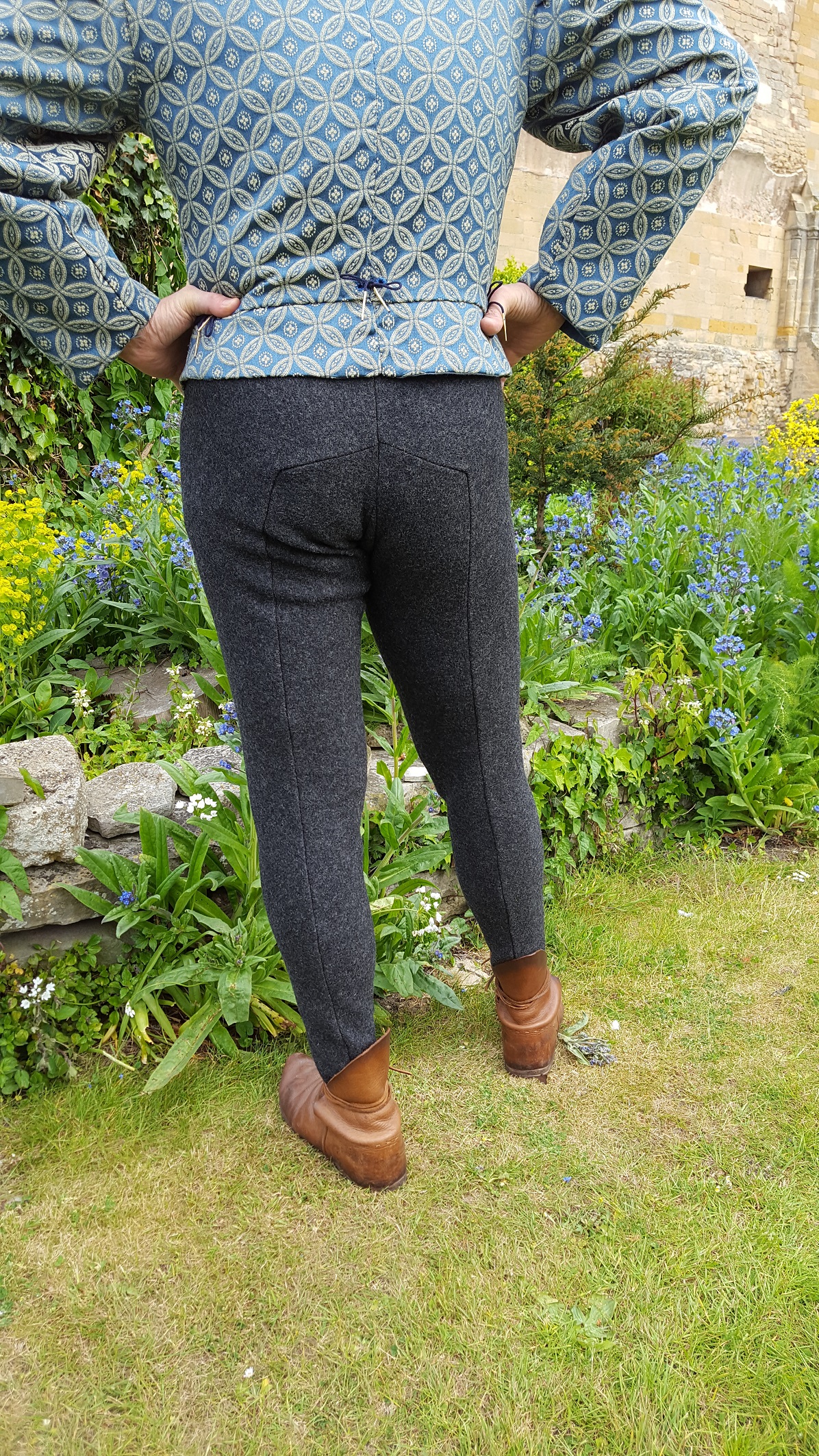
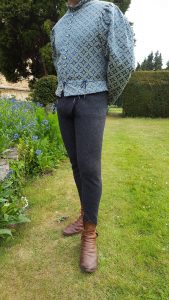 Joined Hose |
In the later 14th and 15th century, hose rise further up the leg until they joined in the middle, at best guess around 1420. Often footed or stirruped, early joined hose barely reached above the widest part of your bottom; only at the end of the century had they risen to normal waist level. Braies became smaller as they had less area to cover.
Joined hose – stirruped £110, footed from £125 |
 Joined Hose – rear |
Related Searches: 15th Century, Menswear
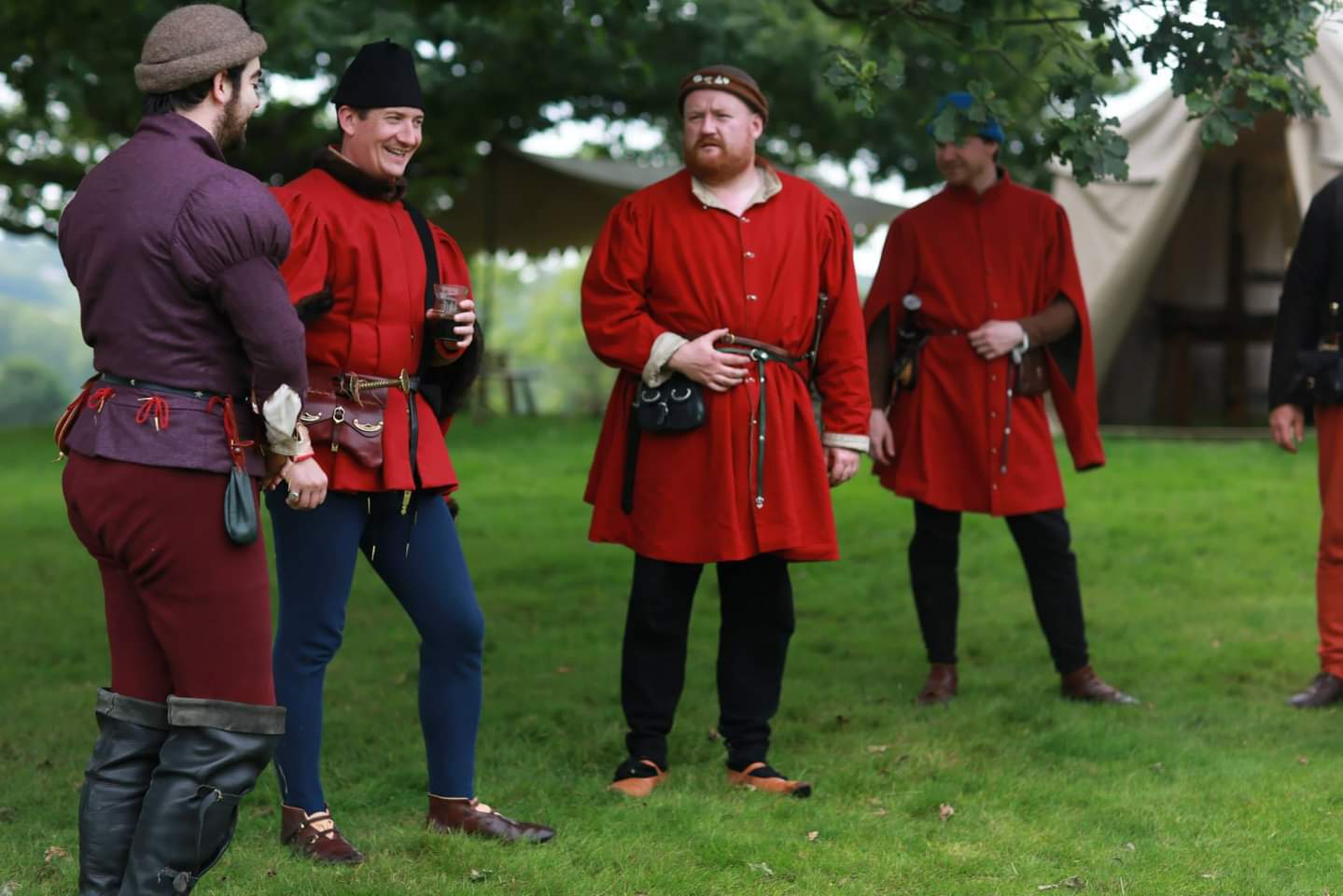
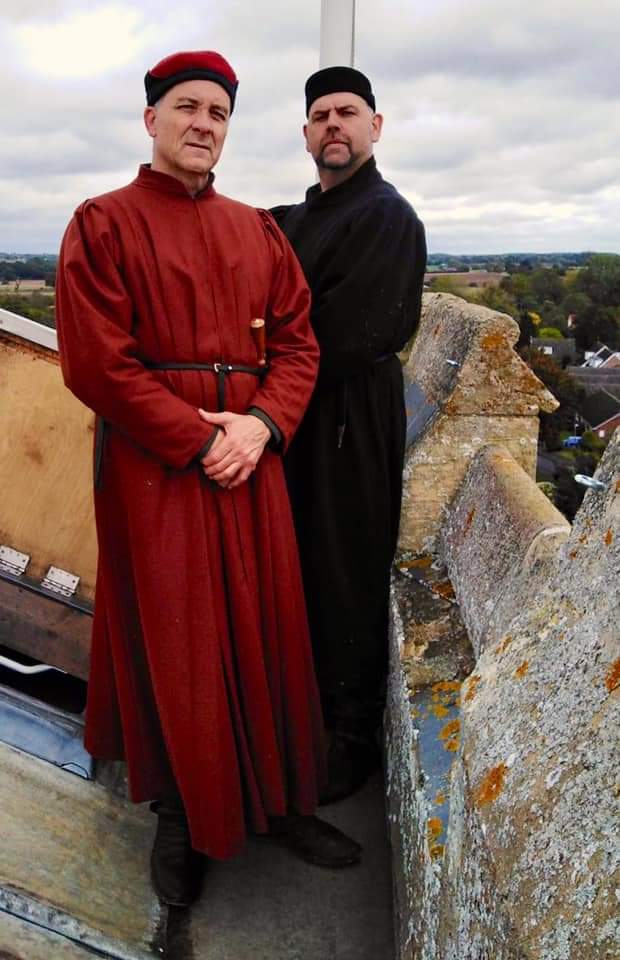
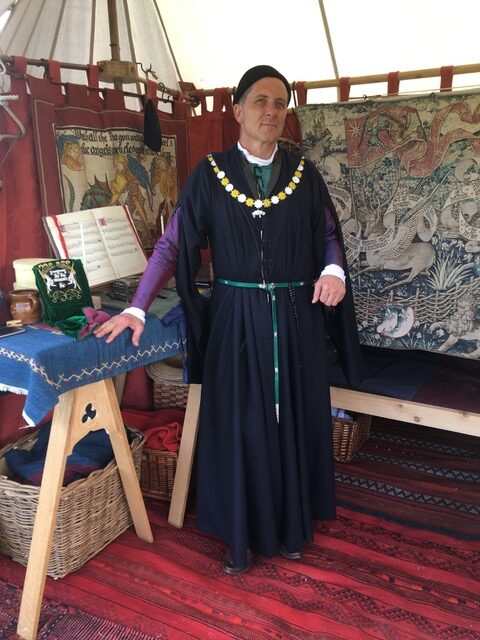
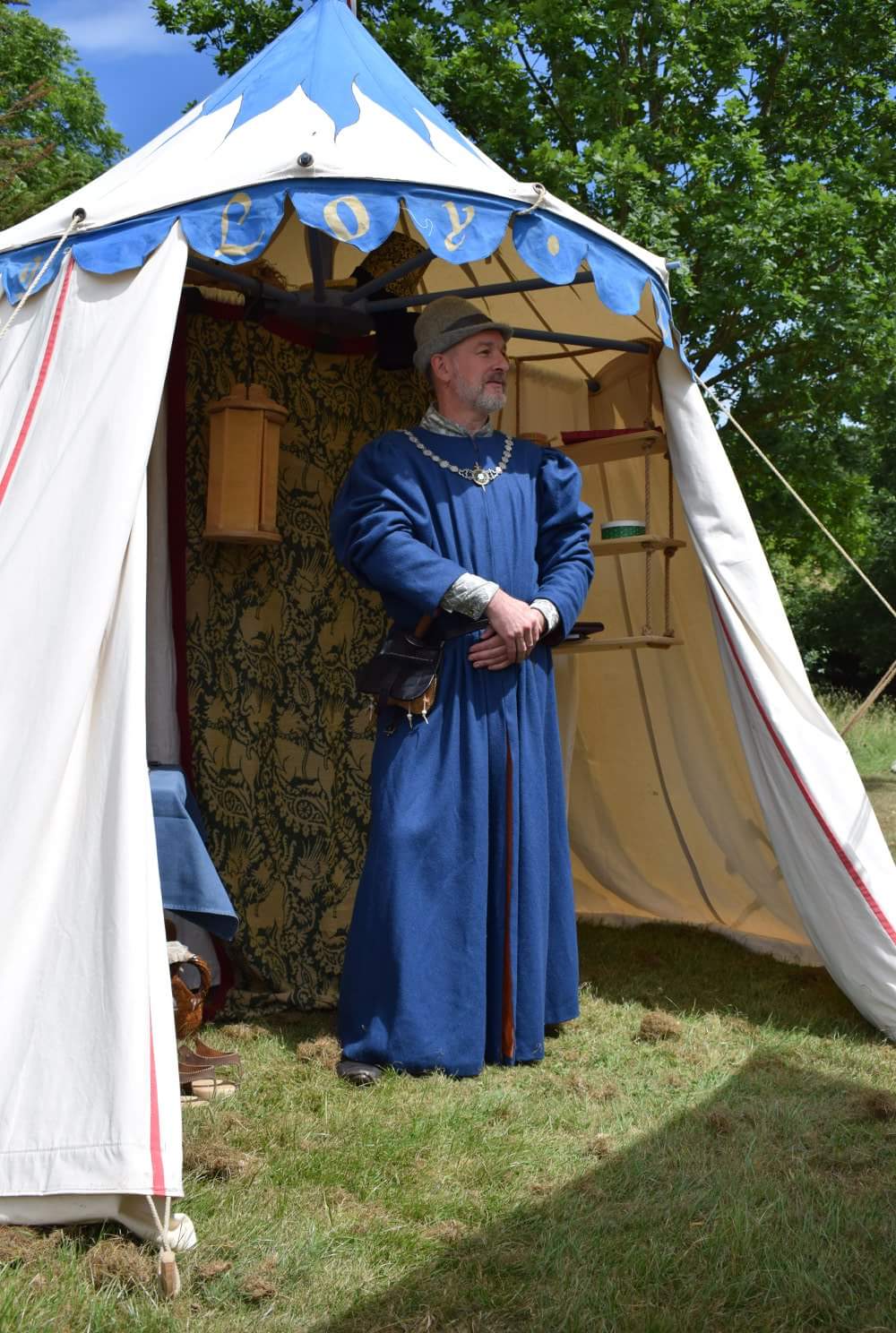
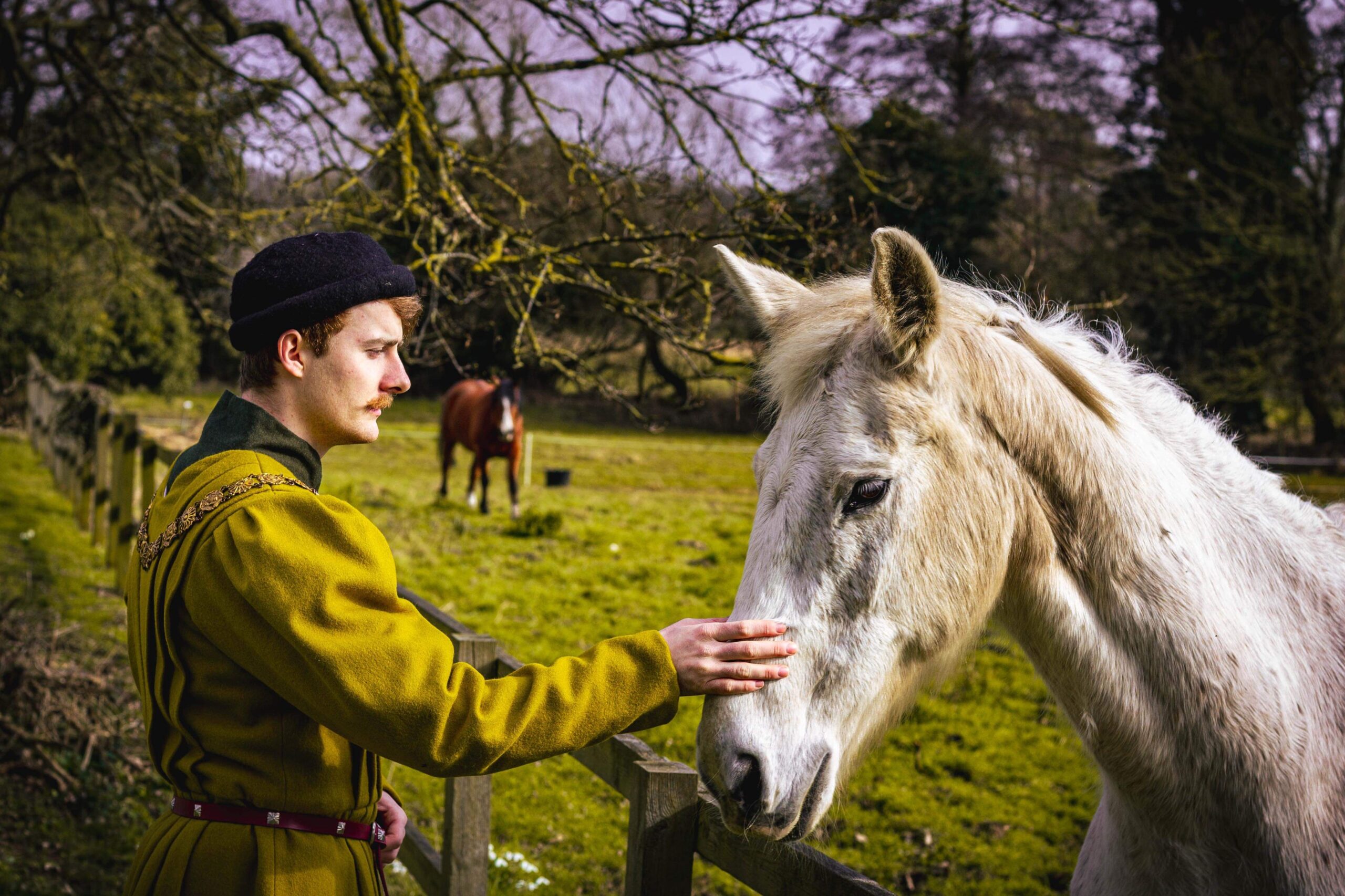
The final layer was the gown, full length for those that could afford it and the preferred length for the older man. Younger, more fashionable types might prefer a gown so short it barely covered the buttocks.
Wool was practical and hardwearing, silk was for showing off. Fur was used for warmth and demonstrated a certain level of wealth also.
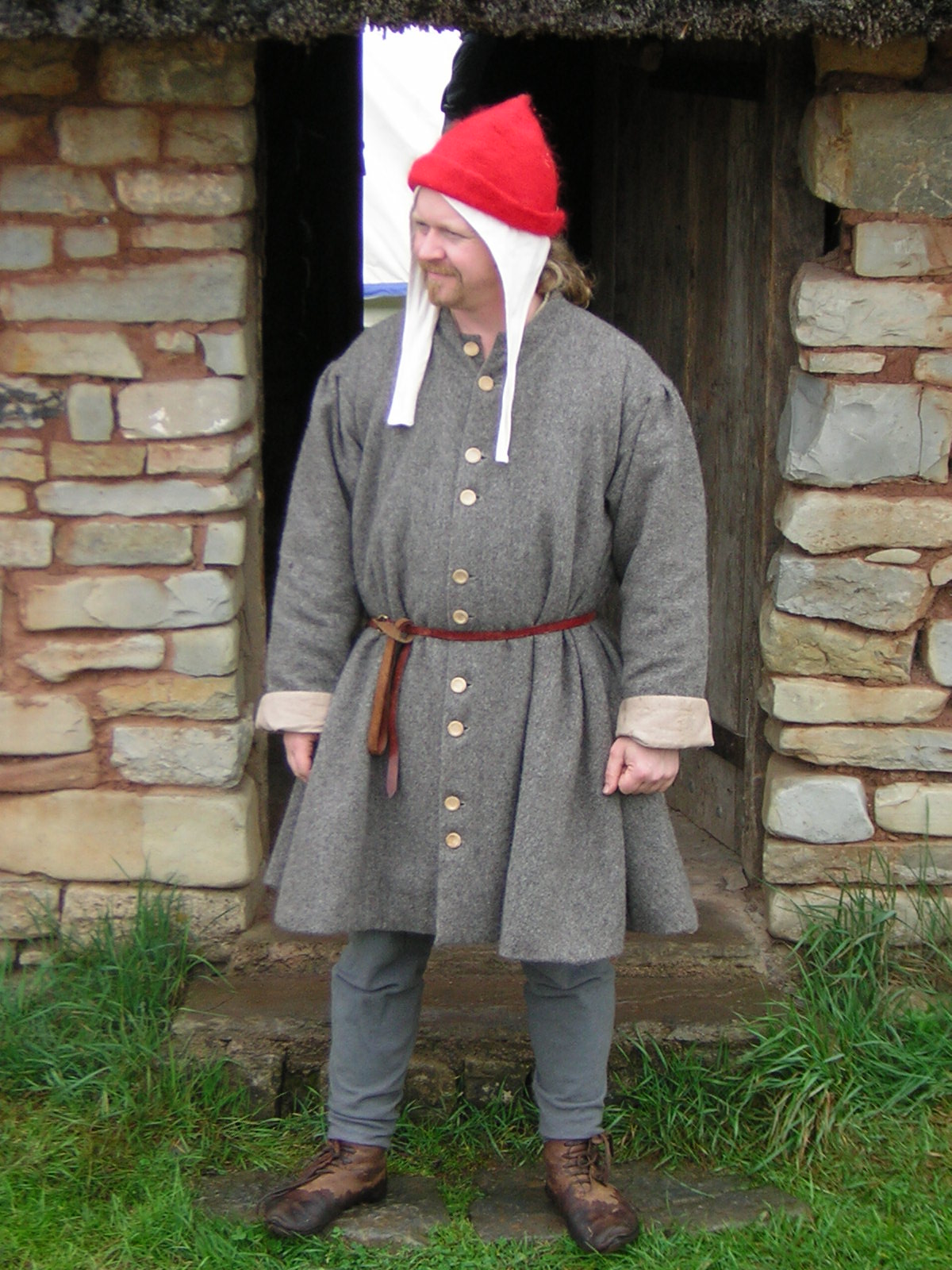
Shorter coats were worn by poorer or working men.
Prices start from £155 for a simple short wool coat up to many hundreds for a silk gown with all the trimmings. |
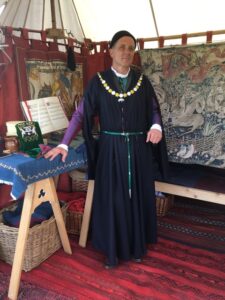 15thC Long Wool Gown |
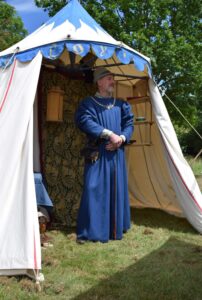 15thC Long Wool Gown |
15thC Short Pleated Fur-trimmed Wool Gown |
 15thC Short Pleated Wool Gown |
 15thC Long Wool Gown |
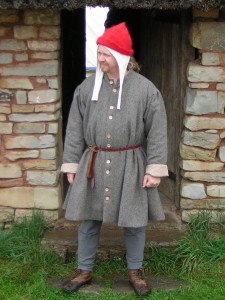 15thC Working Man’s Coat in undyed wool |
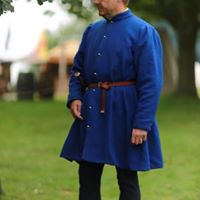 15thC Mid-length buttoned wool coat |
 15thC Mid-length middle class wool gown |
Related Searches: 15th Century, Menswear